

Understanding the Microscopic Revolution
The human mouth harbours one of the most diverse microbial communities in the body, with over 700 different bacterial species calling our oral cavity home. This intricate ecosystem has evolved alongside humanity for millennia, adapting to changes in diet, lifestyle, and medical interventions. Today, dental implants in Bromley represent one of the most significant disruptions to this delicate balance, fundamentally altering the landscape of oral microbiomes in ways that researchers are only beginning to understand.
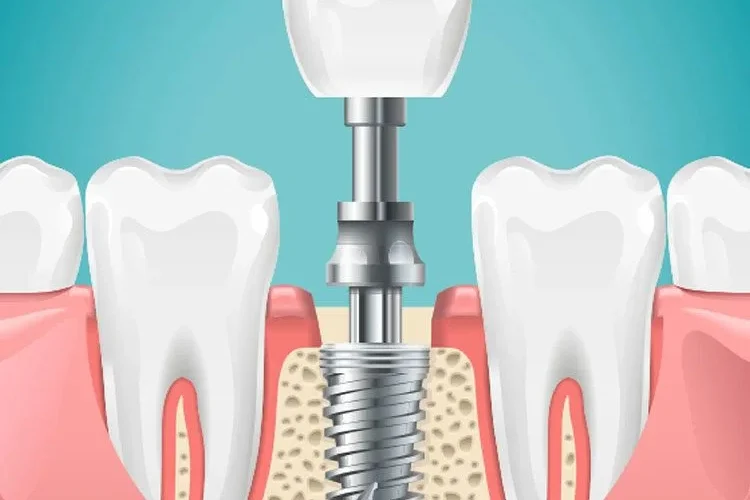
When patients receive dental implants, they’re not simply replacing missing teeth—they’re introducing an entirely foreign material into a living, breathing microbial universe. Titanium implants, whilst biocompatible with human tissue, present unique challenges and opportunities for bacterial colonisation that differ markedly from natural tooth surfaces.
The Titanium Frontier: A New Bacterial Playground
Natural teeth possess a complex surface structure with microscopic grooves, pits, and organic compounds that have co-evolved with specific bacterial communities. The enamel and dentine provide distinct ecological niches, each supporting particular microbial populations. Dental implants, however, present a radically different environment constructed from titanium or ceramic materials.
Research has revealed that bacterial adhesion to implant surfaces follows different patterns compared to natural teeth. The smooth, inorganic surface of titanium creates unique biofilm formation dynamics, often favouring certain bacterial strains whilst inhibiting others. This shift in microbial preference can have cascading effects throughout the entire oral ecosystem, influencing everything from pH levels to nutrient availability.
Biofilm Formation on Artificial Surfaces
The process of biofilm development on dental implants follows a fascinating sequence of events. Initially, proteins from saliva coat the implant surface, creating a conditioning film that serves as the foundation for bacterial attachment. Early colonisers, typically streptococci and actinomyces species, establish the first microbial foothold. These pioneer bacteria then modify their local environment, creating conditions that either welcome or repel subsequent microbial settlers.
Unlike natural teeth, which possess antimicrobial properties through compounds like lactoferrin and lysozyme, implant surfaces rely entirely on the host’s immune response and oral hygiene practices for microbial control. This fundamental difference has prompted extensive research into advanced biomaterials and surface modifications for dental applications, exploring how implant design can better integrate with natural oral ecosystems.
Microbiome Adaptation and Long-term Implications
The introduction of dental implants triggers a remarkable adaptive response within the oral microbiome. Over time, bacterial communities surrounding implants undergo significant compositional changes, often stabilising into what researchers term a “peri-implant microbiome.” This specialised ecosystem differs considerably from the microbial communities found around natural teeth, displaying unique characteristics that reflect the artificial nature of the implant environment.
Studies have demonstrated that successful implant integration depends heavily on achieving microbial equilibrium. When this balance is maintained, patients experience excellent long-term outcomes with their dental implants. However, disruption of this delicate ecosystem can lead to peri-implantitis, a condition characterised by inflammation and potential implant failure.
The Role of Host Response
The human immune system plays a crucial role in shaping the peri-implant microbiome. Unlike natural teeth, which benefit from periodontal ligament-mediated immune responses, implants rely on direct bone-to-titanium integration. This osseointegration process creates a unique immunological environment that influences bacterial colonisation patterns and community stability.
Research into microbial diversity around dental implants has revealed fascinating insights into how host factors, including genetics, age, and overall health status, influence peri-implant microbial communities. These findings suggest that personalised approaches to implant care may become increasingly important as our understanding deepens.
Future Perspectives and Clinical Significance
The evolutionary impact of dental implants on oral microbiomes extends far beyond individual patient outcomes. As implant technology becomes increasingly sophisticated, researchers are exploring innovative approaches to promote beneficial microbial colonisation whilst preventing pathogenic biofilm formation. Surface modifications, antimicrobial coatings, and probiotic interventions represent promising avenues for enhancing implant-microbiome interactions.
Contemporary research into oral microbiome dynamics and implant success continues to reveal the intricate relationships between artificial materials and natural microbial ecosystems. These insights are driving the development of next-generation implant designs that work harmoniously with oral microbiomes rather than simply tolerating their presence.
As dental implant technology continues to evolve, the integration of microbiome science into clinical practice promises to revolutionise patient care. Understanding these microscopic communities will undoubtedly lead to more predictable outcomes, reduced complications, and enhanced long-term success rates for patients receiving dental implants.